A drop is a question
A lower number might reflect a transcription mistake, a unit change, instrument replacement or tampering. The worksheet cannot choose between those explanations. Check the underlying documents before drawing conclusions.
THE NUMBERS NEED A STORY
Put the readings in order. Check the units. Ask better questions before you buy.
This independent car mileage check worksheet compares figures you enter. It does not search a registration, retrieve MOT records or certify genuine mileage. Start with the official history, then bring your readings here.
Build your mileage timeline ↓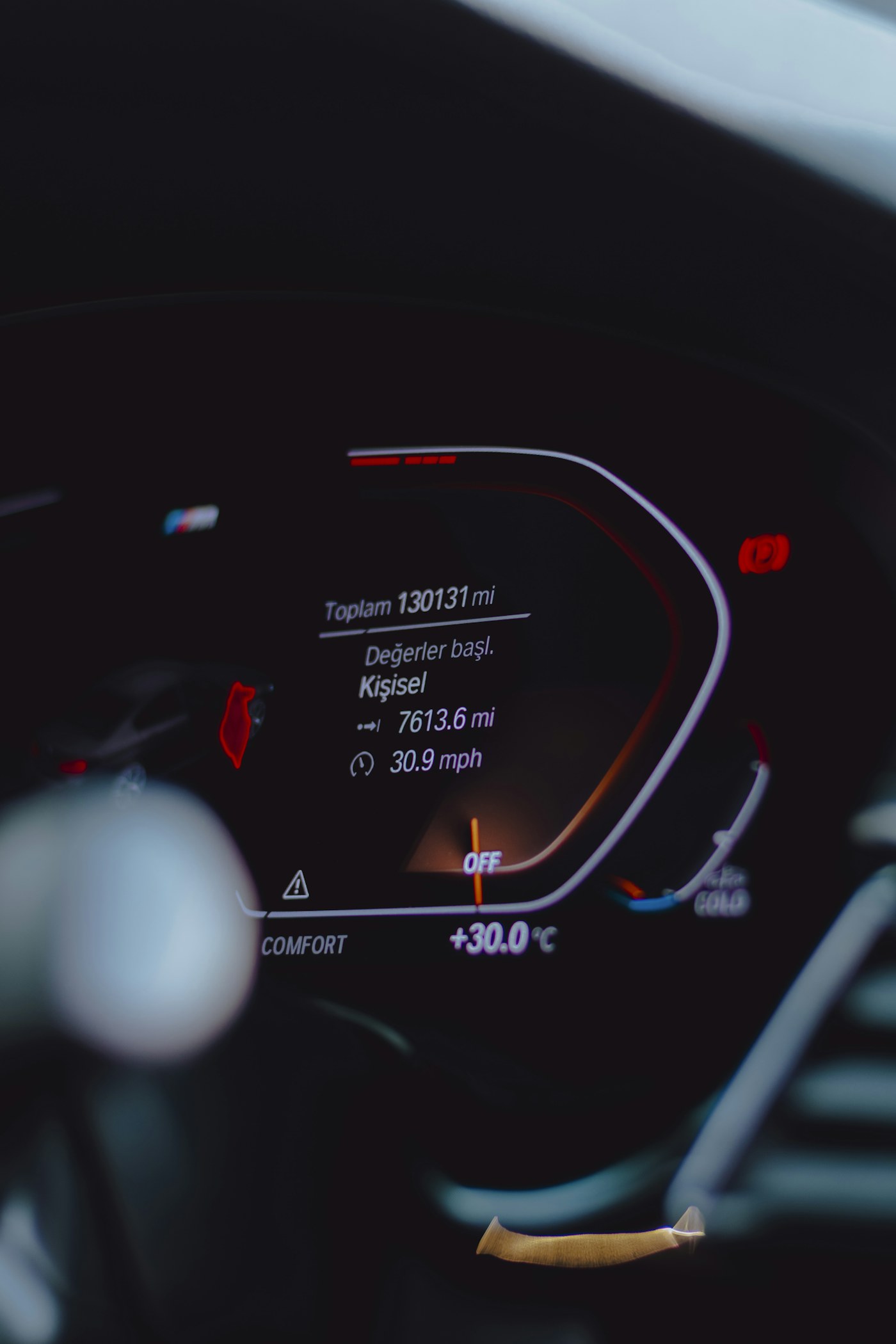
GET THE RECORD AT ITS SOURCE
GOV.UK shows recorded MOT mileages, test results and the next MOT due date. Enter the number plate on the official service, not here. Our worksheet does not connect to DVSA or DVLA.
YOUR READINGS · YOUR WORKSHEET
Enter readings oldest first. Dates are optional; without them, row order is your assumed chronology. Keep the original unit shown on each source.
Add at least two readings. Label the source without personal details. Dated rows are checked in the order entered, never silently rearranged.
Your comparison will appear here. A falling reading needs investigation; an increasing sequence cannot prove the total distance is genuine.
Inputs stay in this page’s memory, not local storage. Reloading clears them. Downloading creates a file on your device; check it before sharing.
We convert each figure to miles for comparison, then flag lower readings, dates entered backwards and different readings on the same date. Mixed units and missing dates are highlighted separately. There is no fraud score, mileage guarantee or connection to a vehicle database.
A lower number might reflect a transcription mistake, a unit change, instrument replacement or tampering. The worksheet cannot choose between those explanations. Check the underlying documents before drawing conclusions.
Steadily increasing entries can still contain gaps, wrong units or inaccurate readings. MOT entries record observations at particular tests, not every journey. A neat line does not establish the car’s true total distance.
Do not overwrite a surprising figure to make the sequence look tidy. Preserve its date, unit and source, then record any explanation separately. A documented uncertainty is more useful than an unsupported correction.
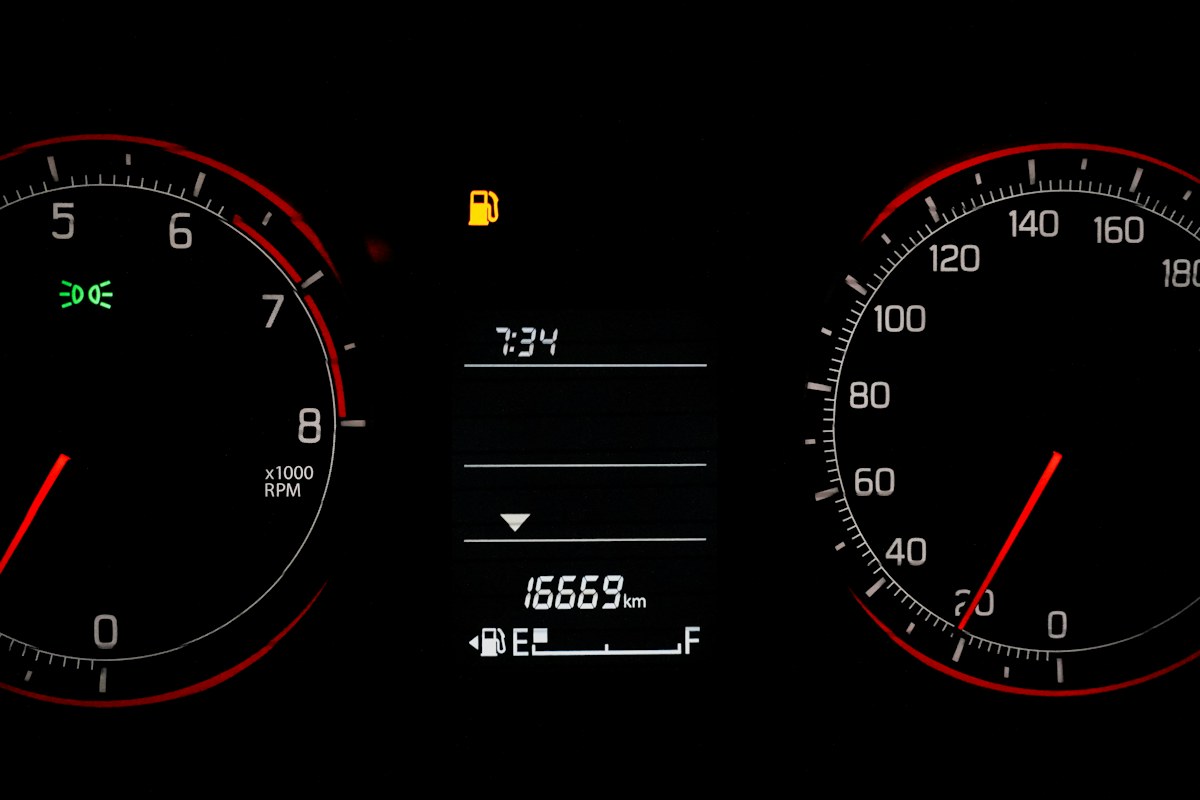
Speed and distance are different measurements. Check the odometer’s unit, not only the speedometer dial.
SMALL DETAIL. BIG DIFFERENCE.
An imported vehicle or a changed display setting can make two readings look incompatible. Confirm the unit from the original record; do not assume every UK document uses miles.
Enter a non-negative distance.
Factor: 1 mile = 1.609344 kilometres, from NIST’s conversion table. Multiply miles; divide kilometres. Displayed answers round to three decimal places; comparisons use unrounded values.
Hypothetical example: 10,000 miles converts to 16,093.440 kilometres. This is arithmetic, not a reading retrieved for any car and not a price for a history check.
BEFORE A VIEWING
Copy dates, figures and units carefully. GOV.UK covers car, motorcycle and van tests since 2005 in England, Scotland and Wales; Northern Ireland results are available since 2017. That is coverage, not proof of a complete lifetime history.
Ask for service invoices, inspection sheets and any instrument-replacement paperwork. Match them to the vehicle. A missing invoice is an information gap, not an invitation to invent a reading or accuse the seller.
Ask specific questions about the exact entry. Keep the seller’s explanation alongside supporting evidence. If uncertainty remains, pause the decision or seek an independent inspection; the worksheet cannot assess mechanical condition.
WHEN A RECORD LOOKS WRONG
For an MOT mileage error, use the current GOV.UK correction route. It distinguishes tests within the last 28 days from older tests. Northern Ireland enquiries go to DVA instead.
For the online mileage-correction route, GOV.UK requires qualifying evidence dated within one day of the test, showing the registration or VIN and mileage. An MOT certificate or dashboard photograph is not accepted as that evidence. Check the official requirements before sending documents.
Changing this worksheet does not amend an MOT record. Save your original comparison, note any official correction separately, and revisit the timeline after the source record changes.

READ THE DETAIL
Choose the question in front of you, rather than treating a single number as the whole story.
Understand what each observation can and cannot establish.
INVESTIGATE A DROPSeparate an anomaly from an unsupported allegation.
CHECK THE UNITSConvert carefully without rewriting the original evidence.
ASK FOR PAPERWORKWork through a discontinuity without guessing a lifetime total.
ORGANISE YOUR EVIDENCEBuild a record another person can understand and challenge.
PREPARE A VIEWINGTurn a vague concern into practical requests for evidence.
HOW TO READ THE OUTPUT
A long interval between entries does not tell you how far the car travelled during that period. The worksheet deliberately avoids annual-mileage averages, estimates for missing years and an expected reading for a particular vehicle age. Add another source when you have one; do not create an observation to complete a pattern.
Use the date of the reading, not simply when you received the document. An invoice might be issued after the work it describes. Two observations on the same day may have an unknown order. When you cannot establish the date, leave it blank and keep the uncertainty visible in your notes.
A seller’s explanation belongs beside the records, not in place of them. If an instrument was replaced, ask for the workshop paperwork and the readings recorded around the change. We do not add an assumed earlier total to a replacement display: without reliable evidence, that would produce an invented lifetime distance.
Check every input against its original before sharing the TXT summary. Source labels should describe documents, not contain previous owners’ names, addresses or contact details. The export is a preparation aid, not an official certificate.
There is no charge for this local worksheet and no paid report sold here. We do not have a live vehicle-data integration or verify sellers. An optional site enquiry is separate from the anonymous tools and does not book an inspection or promise a callback from a buyer.